AI convergence 2026, AI Phones & the Chip Race: Signals a Structural AI Shift
Marketing is no longer evolving in isolation.
Technology infrastructure, hardware acceleration, AI workforce shifts, and consumer devices are converging into one ecosystem shift.
February 2026 is not just “another AI month.”
It is a structural alignment moment.
From global AI summits to Samsung’s AI-first Galaxy S26 launch and intensifying chip competition, the foundations of the next digital growth era are being built.
Let’s break down what this means — not just for tech watchers — but for businesses.

AI Summits & Global Innovation Events
Policy Meets Acceleration – AI convergence 2026
Major AI summits this month have focused on:
- Responsible AI frameworks
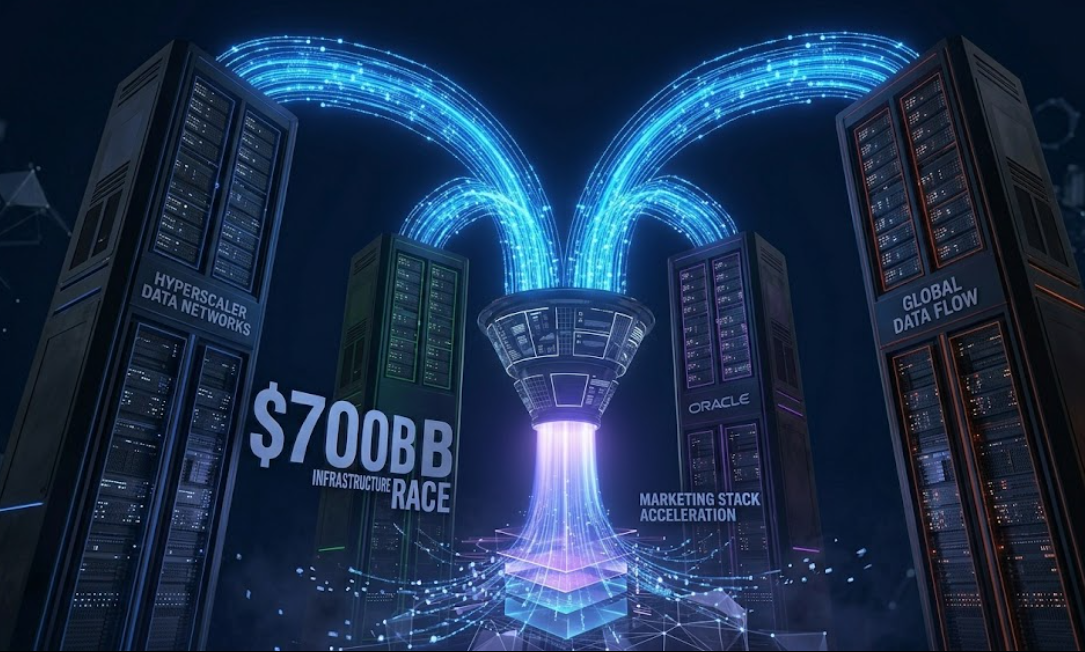
- Infrastructure investments
- Cross-border innovation alignment
- Enterprise AI implementation standards
This matters because AI is moving from experimentation to regulation-backed scale.
For businesses, that signals:
- AI will be embedded into enterprise workflows faster
- AI compliance frameworks will become essential
- Competitive advantage will shift toward AI-native operators
AI is no longer optional experimentation. It’s strategic infrastructure.
AI-First Mobile Technology (The Galaxy S26 Moment)
Samsung’s AI-centric Galaxy S26 launch reinforces one major reality:
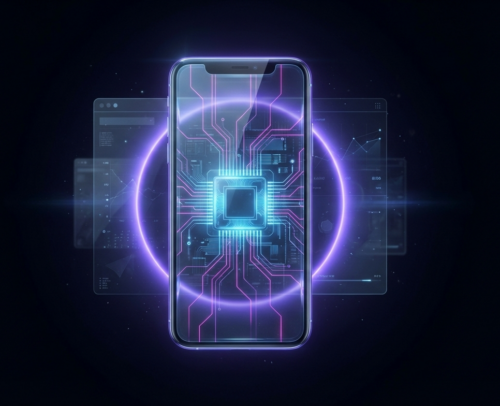
AI is becoming device-native.
Instead of cloud-dependent intelligence alone, smartphones are now integrating:
- On-device AI processing
- Smart content generation
- Context-aware personalization
- AI-powered productivity tools
This means consumers are entering an AI-first interaction era.
What does that mean for brands?
- Content must adapt to AI-enhanced browsing behavior
- Search is shifting toward conversational intent
- Apps and websites must be optimized for AI summaries
- Answer Engine Optimization (AEO) becomes critical
When the device becomes smarter, marketing must become structured.
AI Workforce & Strategic Shifts at Big Tech
Big tech companies are recalibrating:
- Workforce restructuring
- AI-priority hiring
- Automation-first internal systems
- AI-integrated product ecosystems
This is not cost-cutting — it’s resource realignment.
The pattern is clear:
Companies are shifting from human-heavy execution models to AI-assisted execution systems.
For SMBs and startups, the implication is powerful:
You no longer compete on headcount.
You compete on system architecture.
Award Events Highlighting Tech Leaders – AI convergence 2026

Recognition of AI-Native Innovation
Technology award events this month have emphasized:
- AI-powered platforms
- Automation tools
- SaaS optimization products
- AI-enabled hardware
Recognition patterns show what investors and markets value:
- Efficiency.
- AI integration.
- Scalability.
Businesses ignoring AI integration are not just slow.
They’re structurally outdated.
The AI Hardware & Chip Race
The global competition around AI chips and hardware acceleration is intensifying.
Why does this matter?
Because AI performance depends on compute power.
And as:
- Companies build proprietary AI chips
- Mobile devices enhance on-device AI
- Cloud providers optimize AI workloads
We enter a performance-based AI economy.
Faster AI = smarter automation
Smarter automation = lower operational cost
Lower cost = higher competitive leverage
This is ecosystem momentum.
What This Means for Businesses in 2026?
These trends are not isolated stories.

They form one strategic narrative:
- AI infrastructure is stabilizing
- AI devices are scaling
- AI hardware is accelerating
- AI workforce models are shifting
- AI adoption is becoming structural
Businesses that integrate AI into:
- Marketing systems
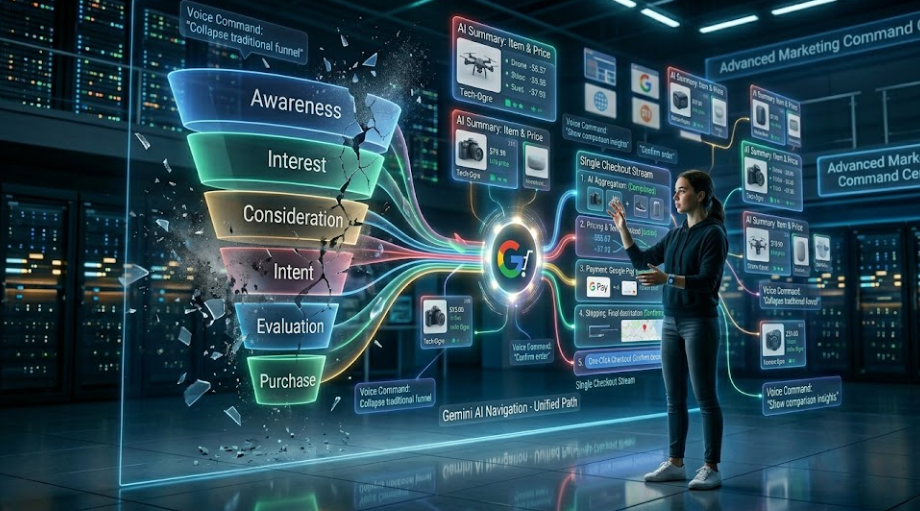
- Funnel architecture
- Content engines
- Search visibility
- Conversion optimization
…will compound.
Those that don’t will plateau.
The BuzzMora Perspective – AI convergence 2026
At BuzzMora, we view these developments through one lens:
AI convergence 2026 is not a tool.
It is a growth framework.
That’s why we focus on:
- AI-driven Funnelism
- Structured content ecosystems
- SEO + AEO visibility
- Conversion-focused architecture
- System-first execution
Because when infrastructure shifts — marketing must shift with it.
Final Insight – AI convergence 2026
February 2026 doesn’t represent hype — it represents convergence. Infrastructure, devices, workforce shifts, hardware acceleration, and global recognition are no longer moving independently; they are aligning toward one inevitable future: AI-native growth ecosystems. The real question is no longer whether AI will shape your industry — it’s whether you will proactively architect your business to thrive within it
Frequently Asked Questions – AI convergence 2026
Why are AI convergence 2026 important for businesses?
They signal regulatory direction, enterprise adoption trends, and future compliance requirements that shape how AI can be used at scale.
What does AI-first mobile technology mean for marketers?
It means consumers interact through AI-enhanced devices, requiring optimized content, structured answers, and conversational search visibility.
Why is the AI chip race significant?
AI performance depends on computing power. Faster hardware enables smarter automation, lower costs, and better scalability.
Are workforce shifts in tech a warning sign?
No. They indicate realignment toward AI-assisted operations and automation-driven productivity.
How should businesses respond to these AI trends?
By building structured AI convergence 2026 growth systems instead of relying on manual, disconnected marketing efforts.
.