Google’s new AI-powered search results, known as “Google Zero,” are changing the way people use the internet. Google now gives consumers AI Overviews and fast responses right in search instead of sending them to other websites. This means that publishers will get fewer traffic from search engines. For marketers, this means they need to rethink their SEO plans, put money into Answer Engine Optimization (AEO), and create relationships with their audience outside of Google’s ecosystem.
What is Google Zero?
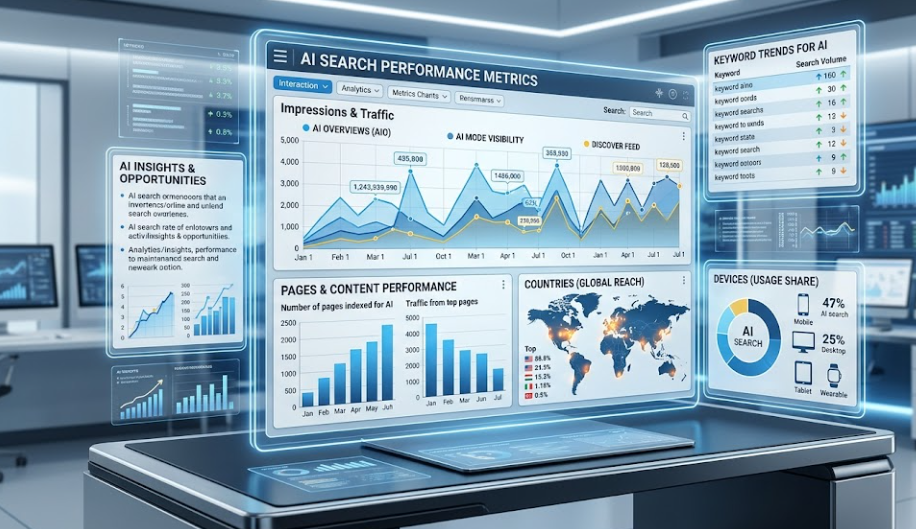
“Google Zero” is when a search query gets no clicks to publisher websites because Google’s AI engine gives summary, authoritative responses at the top of the search result. Users get: instead of 10 blue links,

- AI Overviews are short summaries made with Google’s Gemini models.
- Contextual Sources — tiny citations but fewer incentives to click over.
- Interactive follow-ups—users improve their Google searches, not searches on other sites.
This is similar to what happened with voice search and featured snippets, but on a much larger scale that threatens existing traffic patterns.
Impact on Publishers & Content Creators
Google Zero is a shockwave of lost revenue for digital publishers. Fewer clicks indicate less money from ads (both programmatic and display ads).
- Weakened subscription funnels (less traffic to the site = fewer conversions).
- Less visibility, even for content that is well-known.
To reduce their reliance on search, publishers like The Guardian and Financial Times are already trying out subscriptions, sponsored content, events, and newsletters.

Why Marketers Should Care
This change is both a challenge and an opportunity for marketers:
- AEO (Answer Engine Optimization) is the next step for SEO.
- Brands now need to optimize their content for AI-generated replies instead of just keywords.
- Structured data, schema markup, and short, trustworthy content are very important.
- Brand authority messages are more important than ever.
- EEAT (Experience, Expertise, Authoritativeness, Trustworthiness) is a way for AI to tell if your content is “reliable.”
- It’s very important to have verified authorship, citations, and clear sourcing.
- Diversification is a must.
- It’s not safe to only trust Google.
Marketers should branch out into LinkedIn articles, newsletters, podcasts, and YouTube films, which are less affected by Google Zero.
How to Do Well in the Google Zero Era
Use AI-friendly forms like FAQs, how-to tutorials, and structured Q&As.
- Build a direct audience by making email lists, communities, and loyalty programs.
- Try out several AI discovery platforms and make sure they work well with ChatGPT, Perplexity, Gemini, and Claude, not just Google.
- Make your multimedia content stronger. Video explainers, infographics, and interactive stories get more clicks.
Focus on specialized authority: being the best at a small issue shows both search engines and AI response engines that you know what you’re talking about.
What this means for the future of search
The Google Zero shift is an indication that the internet is going to be rebalanced over the long term. Users will get faster, shorter, and more useful results.
- Publishers lose visitors, but they have more reasons to come up with new business models.
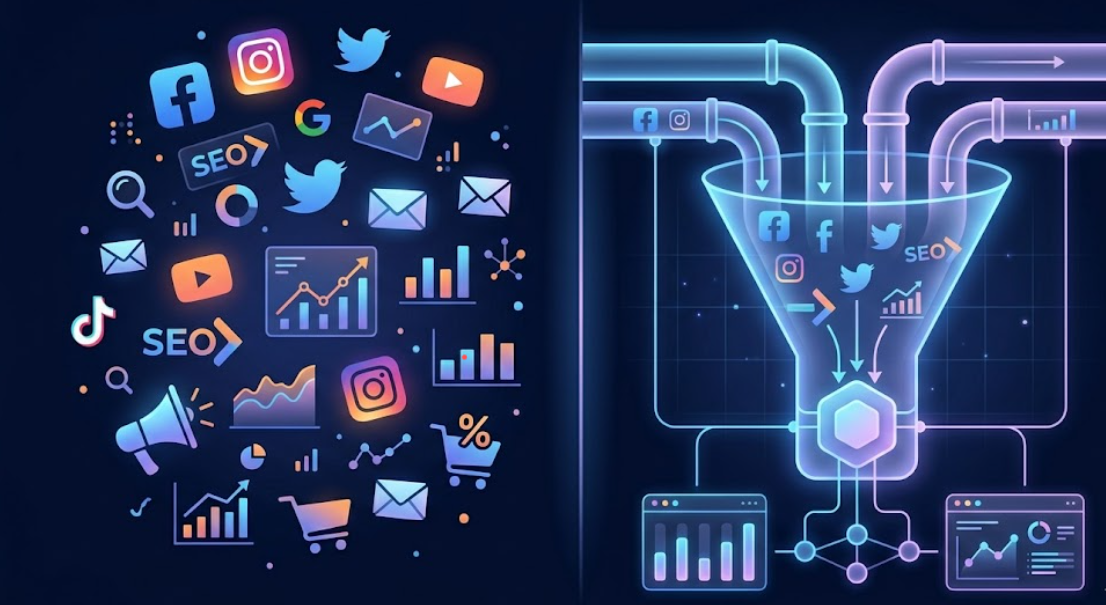
- Marketers change how they think about search by seeing it as just one method to find things, not the only way.
- In 2025 and beyond, digital marketing will have to fight for attention in a new way: by appearing in AI-generated summaries instead of just ranking high in SEO.
Marketers should use LinkedIn articles, newsletters, podcasts, and YouTube films more because they aren’t as affected by Google Zero.