The Software as a Service (SaaS) market is not slowing down; in fact, it is speeding up and entering its most important phase yet. A few distinct trends are changing how firms use, test, and grow SaaS products as of September 2025. The traditional SaaS model, which offered general-purpose programs with little customisation, isn’t as appealing anymore. AI-first platforms, vertical specialization, security-first design, and worldwide adoption are what will drive growth in the next ten years.
In 2025, the SaaS market will go through a big change. The SaaS industry is changing quicker than ever. AI is becoming the default engine, lightweight models are making things more efficient, vertical SaaS is getting more popular, and emerging markets are driving the next wave of revenue. Security and compliance are now required, and businesses are changing their strategy as they move toward platforms and super applications. Buzzmora has done a deep dive into the most important SaaS trends that marketers and organizations need to keep an eye on.
1. AI-First SaaS is now the norm
AI is no longer merely an extra feature on top of SaaS solutions; it’s becoming the main part of the system. A new type of software as a service (SaaS) is coming out. It’s sometimes named “Agentic AI SaaS.” These tools do things for the user, like running processes, writing emails, pulling reports, and making recommendations in real time. Dashboards and analytic assistants do not do this.
This is a big change for marketers. Picture a SaaS CRM that not only shows you potential leads but also automatically plans outreach campaigns, writes personalized emails, and rates them based on how likely they are to succeed, all with very little manual input. In 12 to 18 months, these kinds of automated workflows will be common in SaaS. Businesses that implement them early will have a competitive edge.
2. Cost-effectiveness and the growth of smaller AI models
Even though huge LLMs (Large Language Models) like GPT-4 and GPT-5 showed what was possible, they were too expensive, used too much energy, and had too much latency to be used in many SaaS applications. In response, SaaS companies are using lighter, more specialized models, like AI that is designed for certain jobs or industries.
This is a big deal for small and medium-sized businesses (SMBs) because they can now use AI features at prices that won’t break the bank. For SaaS providers, smaller models mean lower cloud costs, quicker response times, and more people using them. Lightweight AI is soon becoming a standard feature that helps SaaS grow without going over budget, rather than being an expensive add-on.
3. Security and compliance are not up for negotiation
As corporations embrace dozens—or in some cases, hundreds—of SaaS services, security blind spots are proliferating. Hidden hazards come from permissions that aren’t set up correctly, integrations that aren’t controlled, and access privileges that overlap. A single weak link might put all of the company’s data at risk.
The emergence of SaaS Security Posture Management (SSPM) technologies shows how important this is. Enterprise IT teams will probably have to use SSPM by 2026. At the same time, compliance (GDPR, SOC2, HIPAA) is no longer just for big companies. Small and medium-sized businesses (SMBs) increasingly need vendors that are ready to comply to avoid fines and problems with consumer trust.
This means that security and compliance are not optional for SaaS buyers; they are deal-breakers. For SaaS suppliers, this means that putting money into compliance frameworks early on will have a direct effect on growth and retention.
4. Vertical SaaS and solutions for certain industries
Horizontal SaaS, which includes generic project management and CRM applications that work for everyone, has hit its limit. Vertical SaaS is the next big thing in growth. This type of software is made for certain industries, such as healthcare, utilities, logistics, and fintech.
These solutions are hard to get rid of since they include workflows that are specialized to the sector. A healthcare SaaS, for instance, does more than just keep track of appointments. It also handles electronic health records, patient invoicing, and following the rules. A logistics SaaS does more than just keep track of shipments; it also handles customs, warehousing, and fleet optimization automatically.
It’s apparent that businesses are choosing SaaS solutions that solve deep challenges over trivial ones more and more.
5. Bridges between SaaS and on-premise software
Despite cloud dominance, many companies still operate important workloads in on-premise or private cloud environments—especially in regulated areas like finance, healthcare, and government. Companies that offer hybrid-friendly integrations are getting more business from enterprises.
This mixed demand gives SaaS companies who can fill the gap a chance to shine. They may offer cloud flexibility with on-premise security and compliance. By the end of 2025, hybrid SaaS should be a big difference maker, especially for goods aimed at businesses.
6. The next wave is being driven by emerging markets
While the U.S. and Europe remain robust, Asia-Pacific, Latin America, and Africa are the growth engines of the next SaaS decade. Digitization, economies that are mobile-first, and more venture and private equity capital are all driving rapid adoption.
More than 40% of the growth in worldwide SaaS revenue might come from new markets by 2030. SaaS companies who change their prices, languages, and mobile-friendly user experience for these areas will have a big first-mover advantage.
7. Consolidation & Platformization
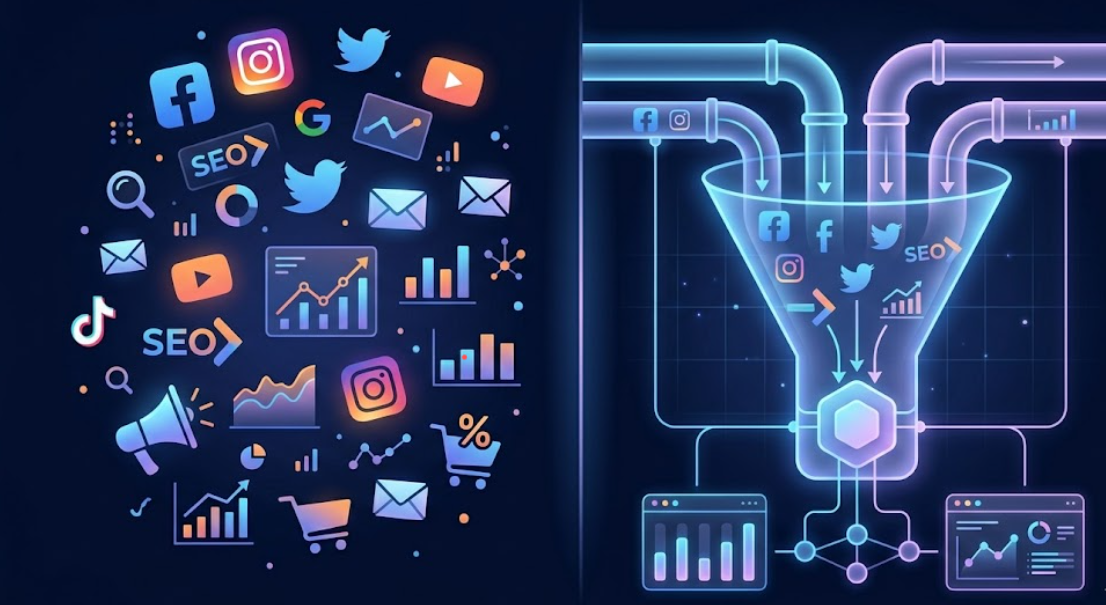
Finally, SaaS buyers are overwhelmed with app sprawl. A normal business may have to manage more than 100 SaaS subscriptions, which can be costly and wasteful. What happened? There is a need for fewer, more integrated systems.
This tendency is causing both consolidation (mergers and acquisitions) and platformization (super applications). For instance, you should expect to see more products that bring together project management, CRM, collaboration, and analytics into one system. This means that users will have to log in less and that different systems will work better together. For suppliers, this means that partnerships and integrations will be important for staying competitive.
Important Things for Businesses and Marketers to Know
- AI-first SaaS will automate tasks and become a must-have.
- Advanced features are inexpensive and scalable thanks to smaller AI models.
- Security and compliance readiness are increasingly required, not just nice to have.
- Vertical SaaS is becoming more popular since it solves difficulties that are unique to each business.
- Hybrid SaaS gives businesses in regulated fields new chances.
- The next trillion dollars in SaaS income will come from emerging markets.
- Consolidation and platformization will affect how people acquire SaaS.